Featured · FinCrime history
The Bank That Was Built to Hide
BCCI and the July 1991 collapse
How a bank was purpose-built as a crime platform: nominees, fragmented supervision, and lessons that still matter on the desk.
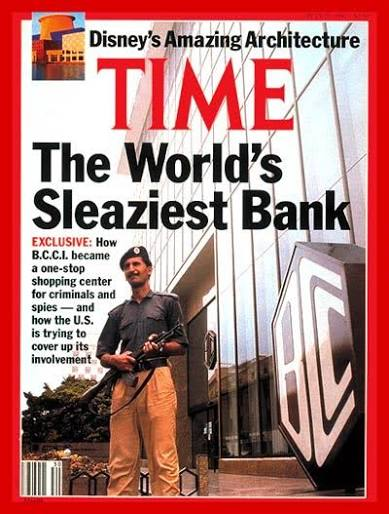
The Bank That Was Built to Hide
BCCI’s spider-web structure, the July 1991 collapse, and beneficial-ownership lessons that still apply.
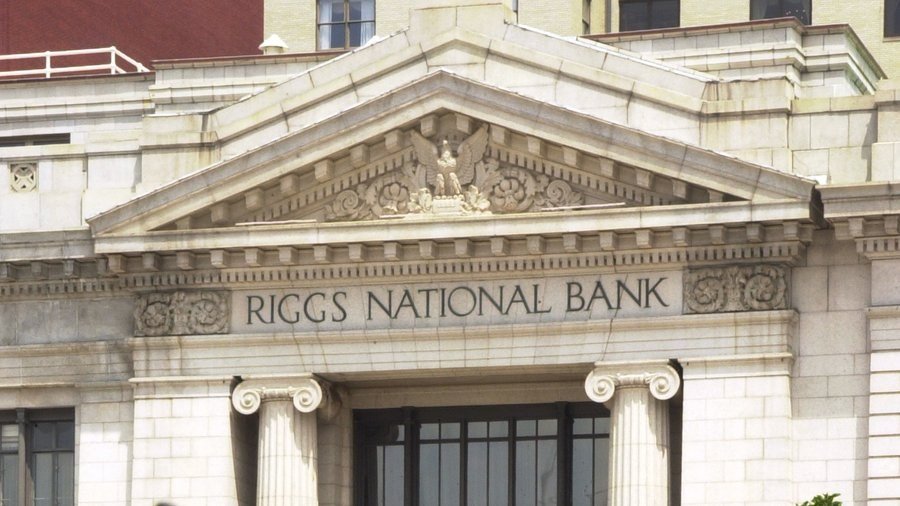
When Prestige Outran Controls
Riggs Bank built a diplomatic franchise on reputation, then lost its independence when AML controls failed the relationships that franchise invited.
Nobody Was Watching the Money
Wirecard booked €1.9 billion in trust cash that could not be proven, slipped between AML supervisors, and collapsed in June 2020.
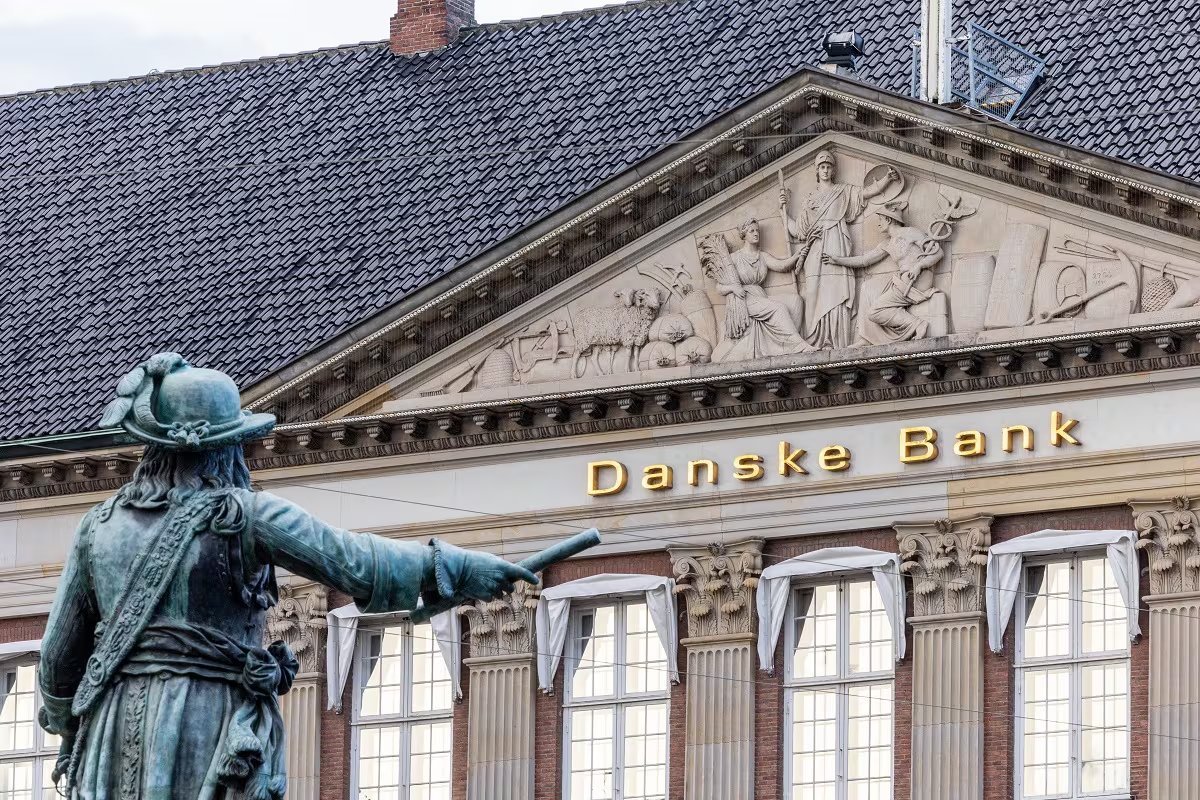
€200 Billion Through a Branch Nobody Watched
Danske Bank’s Estonian non-resident portfolio moved roughly €200 billion, then produced a coordinated 2022 resolution above $2 billion and a bank-fraud conspiracy plea.
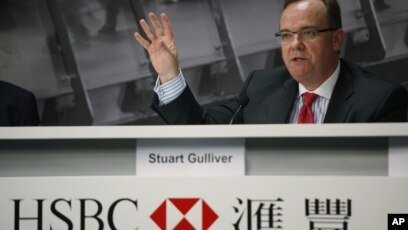
The Gateway That Cost $1.9 Billion
HSBC’s U.S. bank treated group affiliates as trusted correspondents, rated Mexico “standard” risk while cartel cash moved, and paid about $1.9 billion in a 2012 coordinated resolution.

The Firm That Sold Secrecy
Mossack Fonseca packaged offshore opacity at industrial scale, failed as an AML gatekeeper, and shut after the Panama Papers made beneficial-ownership blindness a public fact.
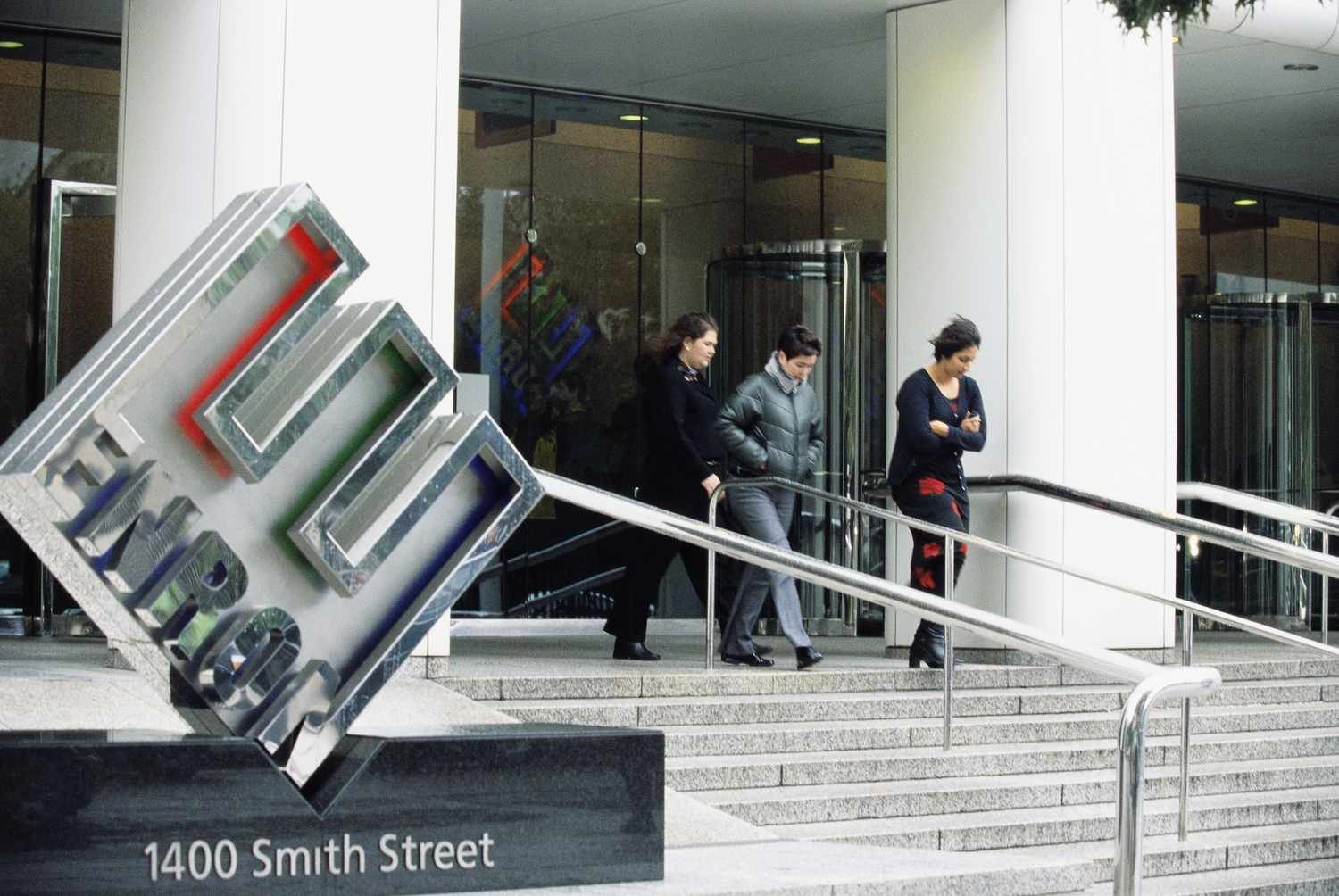
The Partnerships Built to Hide the Debt
Enron used conflicted special-purpose entities and bank-designed prepays to keep debt off its books until Chapter 11 on 2 December 2001 remade corporate oversight.