Articles
Case-shaped explainers and FinCrime history written for the desk, not the brochure.
Browse articles →Ops briefing · FinCrime investigators
Investigatable publishes FinCrime articles and citeable explainers so investigators can move from raw data to judgment, without the theatre.
Case-shaped explainers and FinCrime history written for the desk, not the brochure.
Browse articles →History cases that still travel: ownership webs, prestige risk, and controls that failed under pressure.
Read the cases →Citeable explainers: human-readable now, AI-ready later. Same desk voice throughout.
Browse articles →Situation report
Harvest-style featured block: one deep piece up front, metrics that matter to the desk.
Featured · FinCrime history
BCCI’s corporate spider-web, the July 1991 closure, and the desk lessons that still travel.
Latest
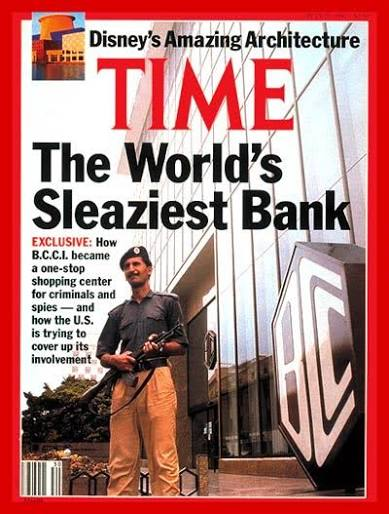
BCCI’s spider-web structure, the July 1991 collapse, and beneficial-ownership lessons that still apply.
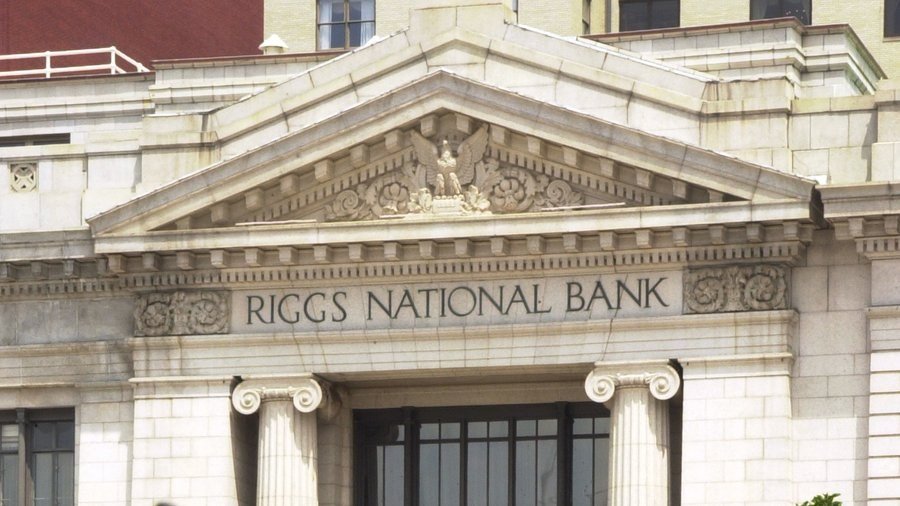
Riggs Bank built a diplomatic franchise on reputation, then lost its independence when AML controls failed the relationships that franchise invited.
Wirecard booked €1.9 billion in trust cash that could not be proven, slipped between AML supervisors, and collapsed in June 2020.
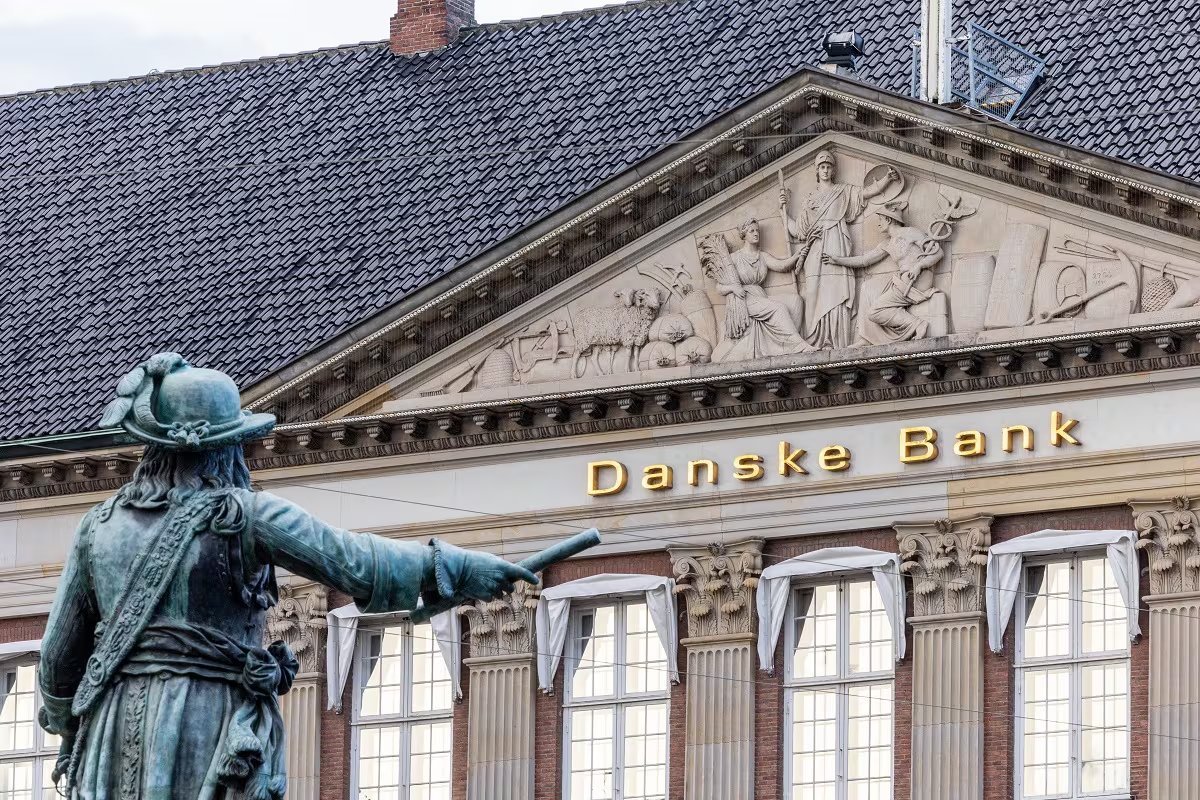
Danske Bank’s Estonian non-resident portfolio moved roughly €200 billion, then produced a coordinated 2022 resolution above $2 billion and a bank-fraud conspiracy plea.
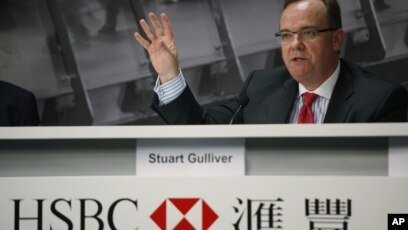
HSBC’s U.S. bank treated group affiliates as trusted correspondents, rated Mexico “standard” risk while cartel cash moved, and paid about $1.9 billion in a 2012 coordinated resolution.

Mossack Fonseca packaged offshore opacity at industrial scale, failed as an AML gatekeeper, and shut after the Panama Papers made beneficial-ownership blindness a public fact.
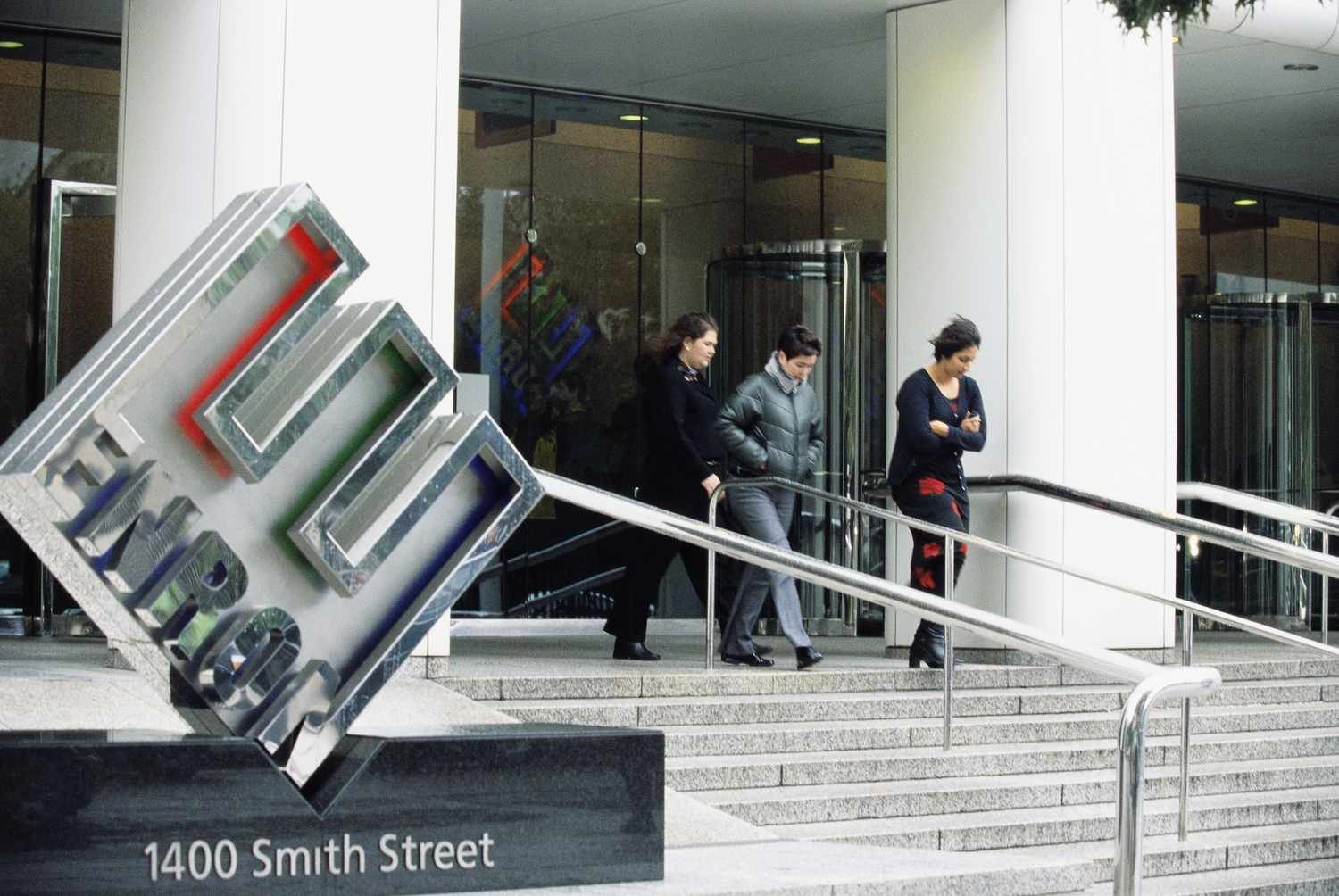
Enron used conflicted special-purpose entities and bank-designed prepays to keep debt off its books until Chapter 11 on 2 December 2001 remade corporate oversight.
Field note. Investigatable is a knowledge site for FinCrime investigators: publish clear articles, keep doctrine citeable. Public contact: Admin@investigatable.com